

The Charm of Courtyard Dining in Dubai’s Historic Districts

Introduction
Dubai is often associated with architectural wonders, luxury hotels, and contemporary dining experiences. Visitors arrive expecting breathtaking skylines, rooftop restaurants, and glamorous venues overlooking the city’s famous landmarks. While these experiences certainly have their appeal, they represent only one side of Dubai’s diverse dining culture.
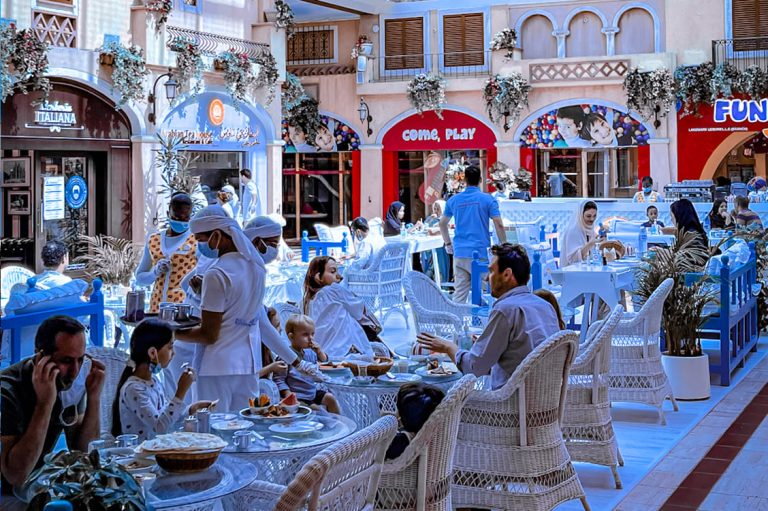
Beyond the modern cityscape lies another Dubai—one shaped by history, tradition, and authentic hospitality. In the heart of the city’s historic districts, travelers discover a different style of dining that feels far removed from crowded malls and busy commercial centers. Here, meals are enjoyed in peaceful courtyards surrounded by traditional architecture, shaded walkways, and an atmosphere that encourages guests to slow down and savor the experience.
This growing interest in Courtyard Dining Dubai reflects a broader shift in travel preferences. More visitors are seeking meaningful experiences that connect them with local culture and heritage. Courtyard dining offers exactly that, combining exceptional food with authentic surroundings to create moments that feel both relaxing and memorable.
Why Courtyard Dining Is Making a Comeback
Modern travel trends are increasingly moving toward authenticity. Rather than focusing exclusively on famous attractions, travelers want experiences that reveal the character and culture of a destination. This shift has contributed to the growing popularity of courtyard dining across Dubai and other historic cities around the world.
Courtyard spaces provide a welcome contrast to enclosed dining rooms and highly commercial environments. They offer fresh air, natural light, and a sense of calm that many visitors find refreshing. Instead of feeling rushed, guests are encouraged to relax, engage in conversation, and enjoy their surroundings.
The appeal of courtyard dining also aligns with the rise of slow travel and experiential tourism. Visitors are becoming more intentional about how they spend their time, choosing experiences that create lasting memories rather than simply checking attractions off a list.
The Difference Between Indoor Dining and Courtyard Dining
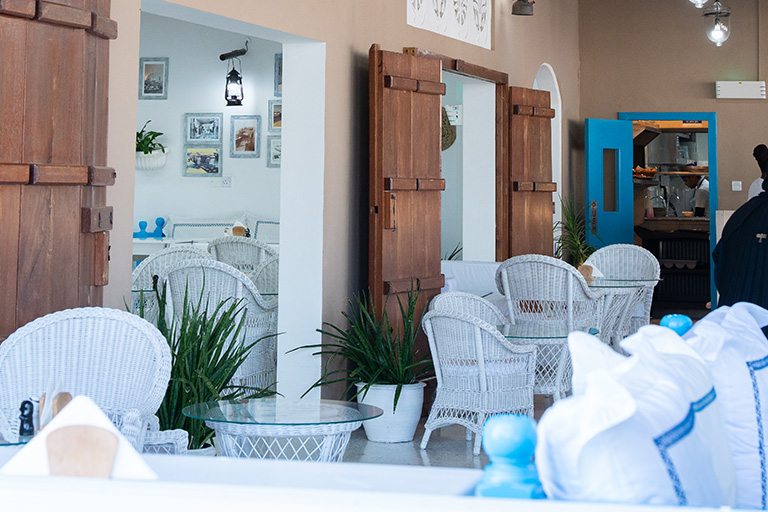
While indoor dining offers comfort and convenience, courtyard dining creates a completely different atmosphere. The connection to the outdoors changes the way people experience food, conversation, and hospitality. Natural light, open spaces, and traditional surroundings contribute to a sense of relaxation that is difficult to replicate indoors.
Courtyards encourage guests to spend more time enjoying their meals. Without the distractions of busy urban environments, diners often find themselves lingering over tea, sharing stories, and appreciating the slower pace of the experience. This transforms a meal from a routine activity into something more meaningful.
The environment also enhances the sensory experience of dining. The sounds of birds, the movement of leaves, the warmth of natural sunlight, and the beauty of traditional architecture all become part of the overall experience, creating memories that extend beyond the food itself.
Why Travelers Prefer Courtyard Dining in Old Dubai
Old Dubai has become one of the city’s most popular destinations for travelers seeking authentic cultural experiences. Historic neighborhoods offer a glimpse into Dubai’s past while preserving traditions that continue to influence daily life. Courtyard dining fits naturally within this environment because it reflects the architectural and social traditions of the region.
Visitors often find that dining in a courtyard allows them to connect more deeply with the atmosphere of Old Dubai. Instead of observing heritage from a distance, they become part of it. Meals are enjoyed within spaces that have been inspired by traditional design principles and cultural values.
This sense of immersion is one of the reasons courtyard dining remains so appealing. It allows travelers to experience Dubai through its architecture, hospitality, and cuisine all at the same time.
Courtyard Dining Dubai and the Rise of Quiet Luxury
One of the most influential hospitality trends today is quiet luxury. Unlike traditional luxury, which often emphasizes visibility and extravagance, quiet luxury focuses on authenticity, quality, and meaningful experiences. Courtyard dining embodies many of these principles naturally.
Rather than relying on dramatic presentations or elaborate settings, courtyard dining creates value through atmosphere and attention to detail. Guests appreciate the beauty of heritage architecture, the comfort of open-air spaces, and the sense of tranquility that comes from dining away from crowded environments.
This approach resonates strongly with modern travelers. Many people now define luxury not by how extravagant an experience appears but by how it makes them feel. Courtyard dining offers a sense of calm, connection, and authenticity that aligns perfectly with this evolving definition of luxury.
Why Courtyards Have Always Been Part of Emirati Architecture
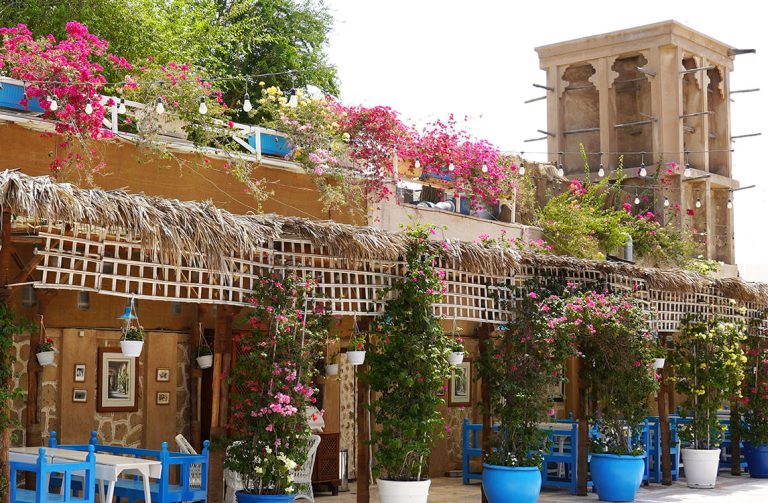
Long before air conditioning and modern construction methods became common, traditional Emirati architecture was designed to work in harmony with the local climate. Courtyards played a central role in this approach, providing shaded outdoor spaces where families could gather, relax, and enjoy daily life while remaining protected from the intense heat of the region.
These spaces were more than architectural features. They served as the heart of the home, creating areas for social interaction, hospitality, and community gatherings. Courtyards allowed natural airflow to circulate through surrounding rooms while providing a comfortable environment for conversation and shared meals.
Today, courtyard dining continues this tradition. Visitors who dine in heritage-inspired courtyards experience a small but meaningful part of Emirati architectural history. The design creates a sense of comfort and tranquility that remains just as appealing now as it was generations ago.
The Role of Food in Traditional Courtyard Gatherings
Throughout the Middle East, food has always been closely connected to hospitality and community. Courtyards often served as gathering places where family members, friends, and guests shared meals, celebrated special occasions, and strengthened social connections.
Dining in a courtyard naturally encourages conversation. Without the distractions of busy urban environments, people tend to spend more time enjoying their meals and interacting with those around them. This slower pace reflects traditional hospitality values where meals are viewed as opportunities to connect rather than simply satisfy hunger.
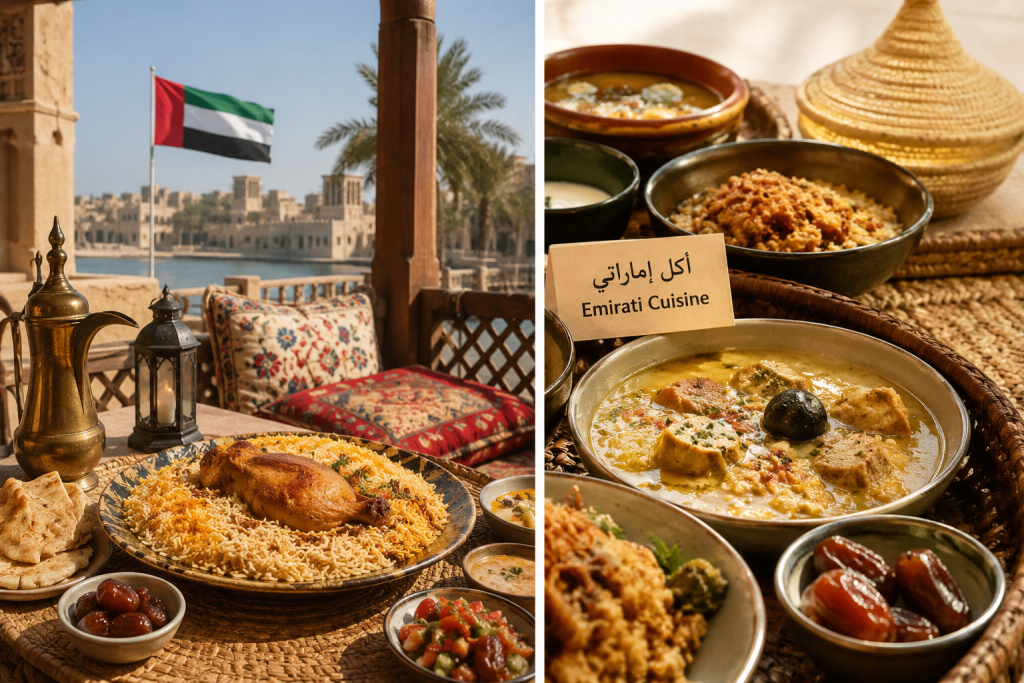
Many travelers are drawn to courtyard dining because it recreates this feeling of connection. The experience feels personal and welcoming, allowing guests to enjoy both the food and the atmosphere in a way that modern dining spaces sometimes struggle to achieve.
Why Al Fahidi Offers One of Dubai’s Most Unique Courtyard Experiences
Few locations capture the spirit of courtyard dining as beautifully as the historic Al Fahidi district. As one of Dubai’s most important heritage neighborhoods, Al Fahidi preserves the architectural character and cultural atmosphere that once defined life throughout the region.
Walking through the district feels like stepping into a different era. Traditional wind towers, restored buildings, narrow alleyways, and peaceful courtyards create an environment that invites exploration and reflection. Visitors often find themselves slowing down naturally as they move through the area, appreciating details that might otherwise go unnoticed.
Dining within Al Fahidi enhances this experience even further. Guests are surrounded by history while enjoying authentic hospitality, creating a unique combination of culture, architecture, and cuisine that cannot easily be replicated elsewhere in Dubai.
Why Courtyard Dining Appeals to Modern Travelers
Today’s travelers increasingly seek experiences that feel authentic and memorable. While impressive attractions remain popular, many visitors are also searching for moments that allow them to connect more deeply with local culture. Courtyard dining satisfies this desire by offering something both simple and meaningful.
The appeal lies partly in contrast. After spending time exploring busy city centers, shopping districts, and tourist attractions, travelers often appreciate the opportunity to relax in a peaceful setting. Courtyards provide a sense of escape while remaining connected to the surrounding heritage environment.
This balance between accessibility and authenticity is one of the reasons courtyard dining continues to attract visitors from around the world. It offers an experience that feels distinctly local while remaining welcoming and comfortable for international guests.
Enjoy Traditional Flavors in a Courtyard Setting
The atmosphere of a courtyard becomes even more enjoyable when paired with traditional cuisine. Food and setting work together to create an experience that engages multiple senses and leaves a lasting impression on guests.
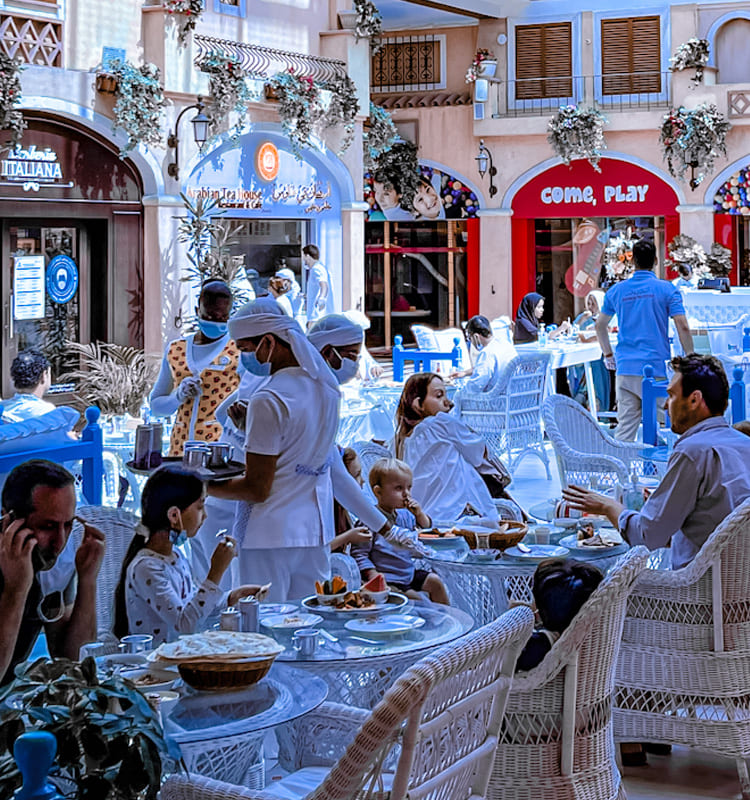
Visitors can explore the Arabian Tea House menu and discover a variety of Emirati and Middle Eastern dishes inspired by regional culinary traditions. From traditional breakfasts and light lunches to flavorful main courses and aromatic teas, every meal contributes to the cultural experience.
Dining in a heritage courtyard allows guests to appreciate these flavors within an environment that reflects the traditions from which they originated. This connection between food and place adds depth and meaning to the meal while creating a stronger sense of authenticity.
Courtyard Dining and the Art of Slowing Down
One of the greatest benefits of courtyard dining is its ability to encourage a slower pace. In a world where many people feel constantly connected and rushed, opportunities to pause and enjoy the present moment have become increasingly valuable.
Courtyards naturally support this mindset. Guests often spend more time talking, observing their surroundings, and appreciating the details of the experience. Rather than focusing solely on the meal itself, they engage with the atmosphere and enjoy the simple pleasure of being present.
This slower approach aligns perfectly with modern travel trends that emphasize mindfulness, cultural immersion, and meaningful experiences. Courtyard dining offers a chance to experience Dubai in a way that feels more personal and rewarding.
Planning Your Courtyard Dining Experience
Travelers interested in experiencing courtyard dining often find that planning ahead helps maximize their enjoyment. Heritage dining locations are particularly popular among visitors seeking cultural experiences, especially during peak tourism seasons.
Guests can reserve a table in advance and ensure they have the opportunity to enjoy one of Dubai’s most distinctive dining environments. Whether visiting for breakfast, lunch, afternoon tea, or dinner, planning ahead allows travelers to enjoy a more relaxed and seamless experience.
Those looking for additional inspiration can also explore the Arabian Tea House blog, where they can discover more cultural experiences, travel ideas, and insights into the traditions that continue to shape Dubai today.
Conclusion
The growing popularity of Courtyard Dining Dubai reflects a broader desire for authentic, meaningful, and culturally rich travel experiences. While modern restaurants and luxury venues remain an important part of Dubai’s dining scene, heritage courtyards offer something uniquely memorable. They combine architecture, hospitality, food, and history in a way that allows guests to experience the city on a deeper level.
From their origins in traditional Emirati architecture to their role in contemporary hospitality, courtyards continue to represent connection, comfort, and community. They provide spaces where visitors can slow down, enjoy authentic cuisine, and appreciate the cultural heritage that makes Dubai so distinctive.
For travelers seeking a different perspective on the city, courtyard dining offers more than a meal. It offers an opportunity to experience the atmosphere, traditions, and hospitality that have shaped Dubai for generations, creating memories that often become some of the most cherished moments of any visit.