

Cultural Experience in Dubai: From the Souk to the Emirati Table

A Complete Cultural Experience in Dubai: From the Souk to the Emirati Table
Many visitors arrive in Dubai expecting skyscrapers and malls, and leave having seen little of the city that existed long before them. Yet the old heart of Dubai is still there, along the Creek, in the narrow lanes of Al Fahidi and in the busy souks of Bur Dubai and Deira. If you want a cultural experience in Dubai that feels real rather than staged, the best plan is simple: walk the souks, cross the Creek the old way, and finish at a table serving traditional Emirati food.
This guide puts that plan together step by step, so you can turn a single morning or afternoon into a complete journey through Emirati culture, from the market stalls to the meal.
Why the Souk-to-Table Route Works
Food in the UAE has always been shaped by trade. Spices, rice, dried lemons, saffron and cardamom reached the Gulf on dhows that docked along Dubai Creek, and the same waterfront is still lined with markets today. Walking through the souks before you eat helps you understand where the flavours on your plate come from. When you later taste a fragrant machboos or a cup of Arabic tea scented with cardamom, the connection between the market and the meal becomes obvious.
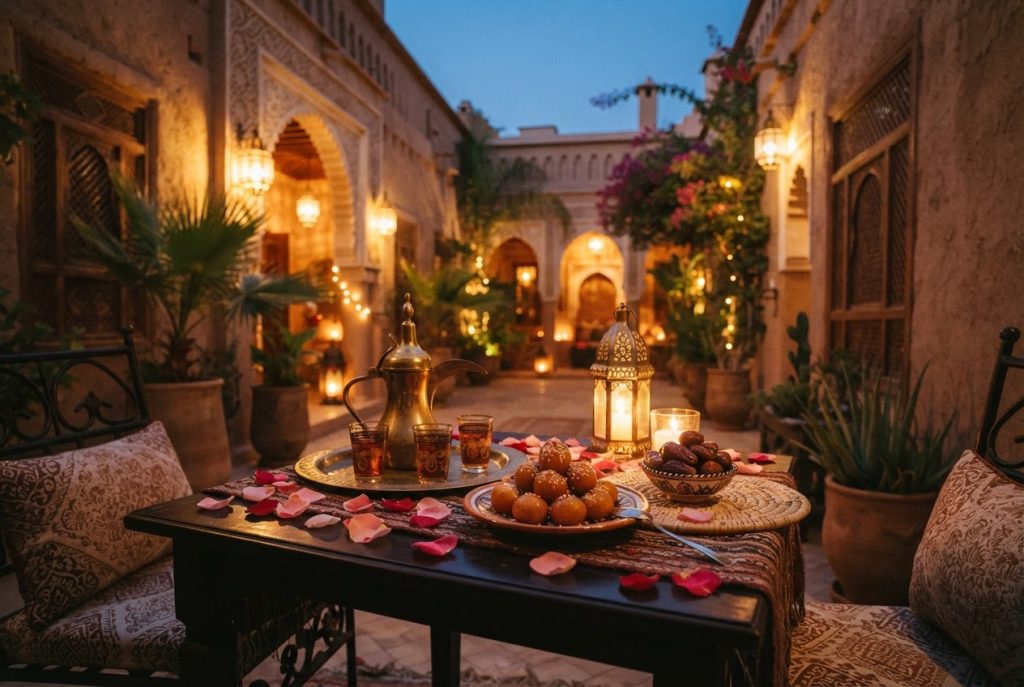
It is also one of the most relaxed ways to see Old Dubai. Everything on this route is close together, much of it can be done on foot, and the pace is slow enough to enjoy the details.
Step 1: Start in Al Fahidi Historical Neighbourhood
Begin in Al Fahidi, one of the oldest residential areas in Dubai. Its sand-coloured houses, wind towers (barjeel) and shaded alleyways show how families lived and kept cool before air conditioning. Take your time wandering the lanes, stepping into the small galleries and courtyards, and noticing the carved wooden doors and traditional building materials.
Al Fahidi is also home to the Arabian Tea House Al Fahidi branch, set in a heritage courtyard, which makes it a natural start or finish point for the day.
Step 2: Explore the Bur Dubai Textile Souk
A short walk from Al Fahidi brings you to the covered Textile Souk in Bur Dubai. Here you will find rolls of fabric, embroidered shawls, kandura and abaya tailors, and small shops selling souvenirs. Bargaining is part of the culture, so feel free to ask for a better price, politely and with a smile.
Look out for the traditional architecture of the souk itself: high wooden roofs, arched walkways and old shopfronts that have served traders for generations.
Step 3: Cross Dubai Creek by Abra
From the Bur Dubai abra station, hop on a traditional wooden water taxi (abra) to cross Dubai Creek to Deira. The crossing takes only a few minutes and costs very little, yet it is one of the most memorable experiences in the city. You will see dhows loading cargo, the old waterfront and the skyline beyond, just as traders have seen it for decades.
Step 4: The Spice Souk and Gold Souk in Deira
On the Deira side, the Spice Souk is the highlight for food lovers. Sacks of dried lemons (loomi), saffron, turmeric, cardamom, cinnamon, rose petals and frankincense fill the air with scent. Many of these ingredients are the backbone of Emirati cooking, so this is the best place to understand the flavours you will taste later.
Just next door, the Gold Souk dazzles with jewellery windows. Even if you are not buying, it is worth a walk to see one of Dubai’s most famous traditional markets.
Tips for the souks
- Go in the morning or late afternoon, when it is cooler and the markets are lively.
- Carry some cash for small purchases and the abra.
- Dress modestly and wear comfortable shoes for walking.
- Ask before taking close-up photos of shopkeepers.
Step 5: Sit Down at the Emirati Table
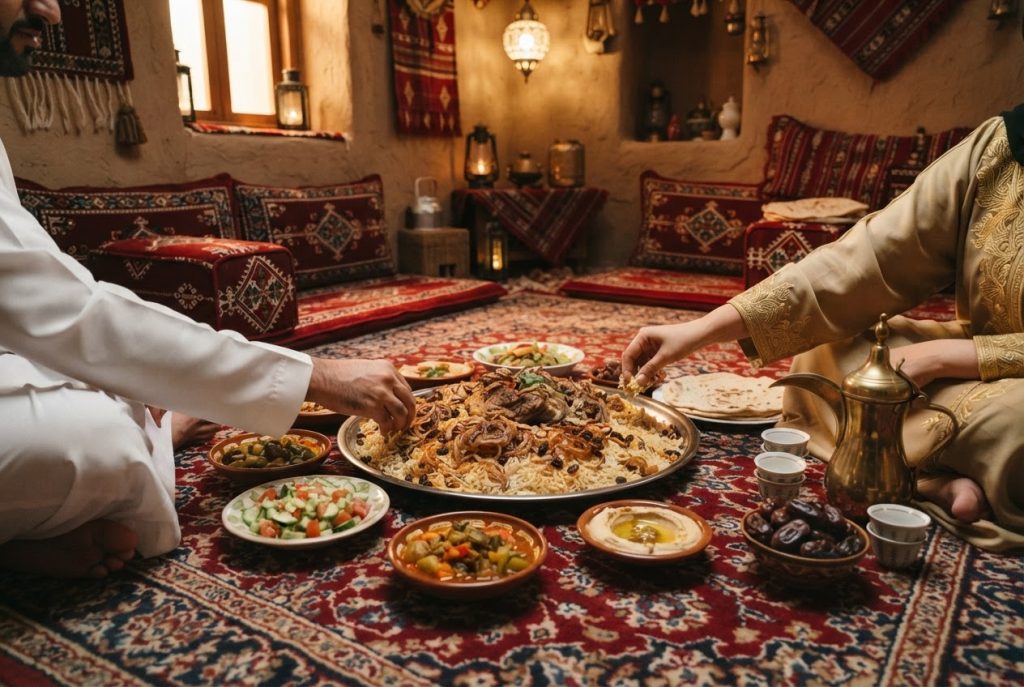
After the walk, it is time to taste what you have seen. Cross back over the Creek and head to a traditional Emirati restaurant, where the spices from the souk come together in real dishes. At Arabian Tea House, Dubai’s first authentic Emirati restaurant since 1997, the meal is served in a setting inspired by old Emirati homes.
What to order after a souk walk
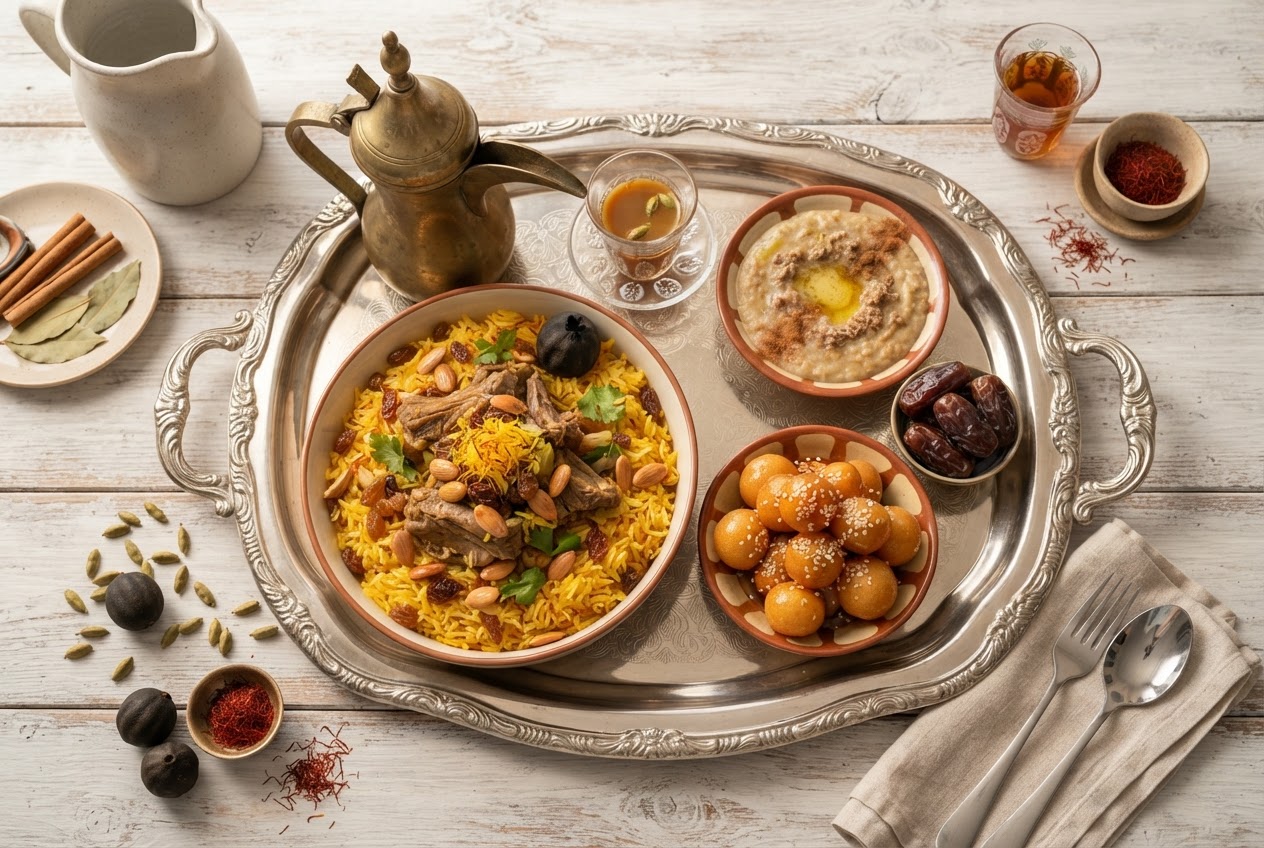
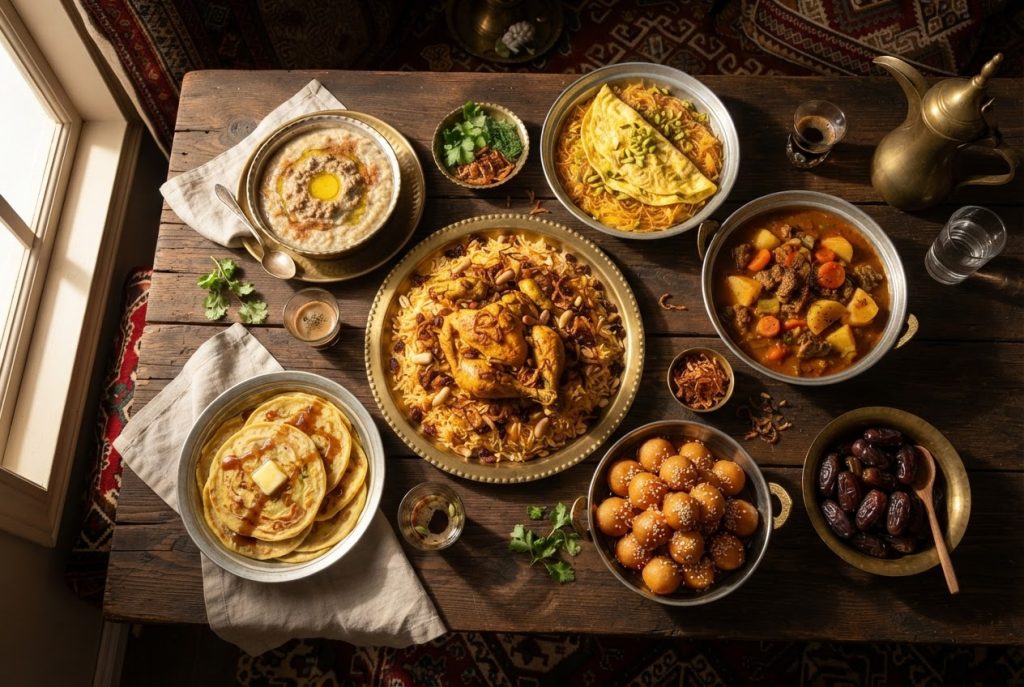
- Machboos: spiced rice cooked with chicken or lamb, flavoured with loomi and warm spices. See the full list of Emirati main courses.
- Harees and balaleet: two classic heritage dishes, one slow-cooked and comforting, the other a sweet-and-savoury vermicelli dish. Find them on the appetizers menu.
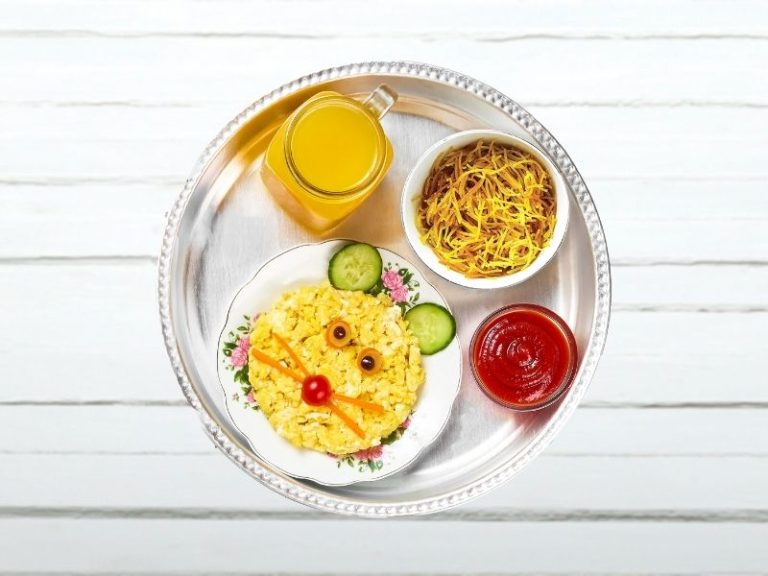
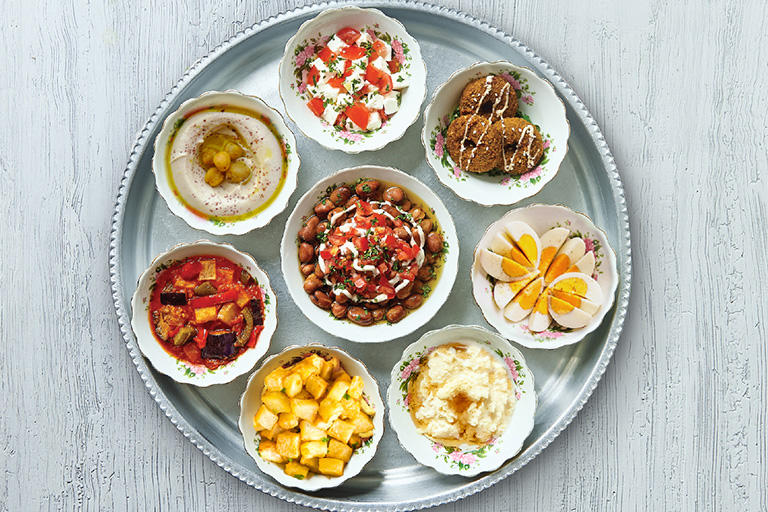
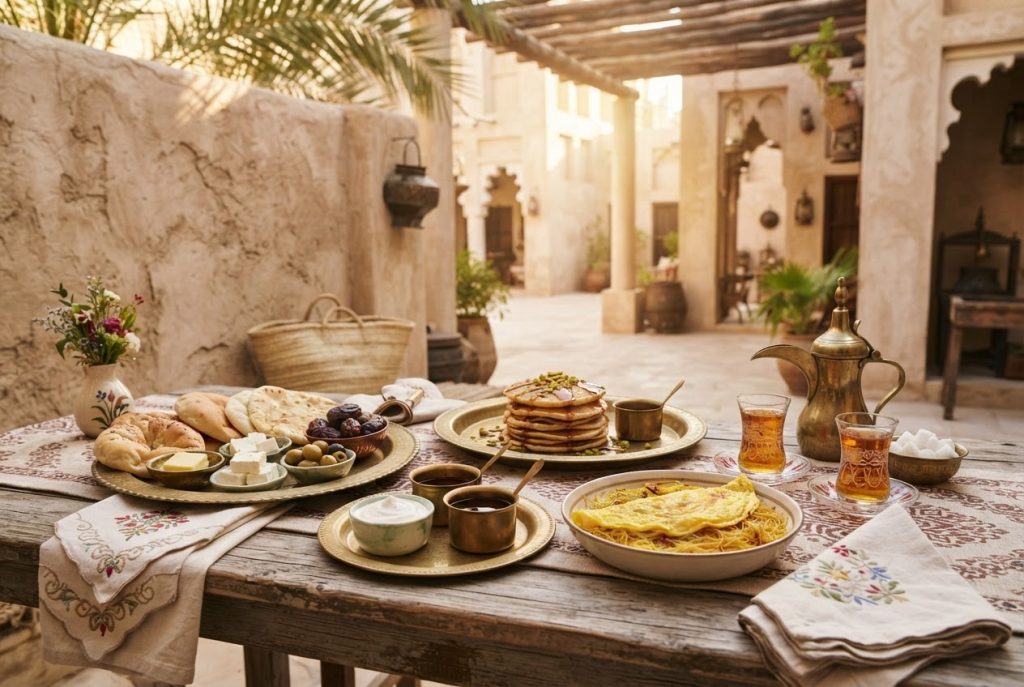
- Emirati breakfast: if you start early, the Special Emirati Breakfast Tray is a great way to try many flavours at once. Browse the breakfast menu.
- Luqaimat: crispy golden dumplings drizzled with date syrup, the perfect sweet ending. More on the traditional sweets page.
- Arabic tea or karak: tea is at the centre of Emirati hospitality. Explore the drinks menu, from Arabic tea to hibiscus.
Understanding Emirati Hospitality at the Table
In Emirati culture, offering food and drink to guests is a sign of respect and generosity. Coffee and tea are served in small cups and often refilled several times. Dishes are meant to be shared, and meals are a time for conversation rather than speed. Eating slowly, trying a little of everything and accepting a second cup of tea are all part of the experience.
If you would like to learn more before you go, read our guide to dining etiquette in the UAE and our list of 10 Emirati dishes you must try.
Suggested Half-Day Itinerary
- Morning: Emirati breakfast in Al Fahidi, then a slow walk through the historical neighbourhood.
- Late morning: Textile Souk in Bur Dubai.
- Midday: Abra across the Creek to the Spice Souk and Gold Souk.
- Lunch: Return to Al Fahidi for machboos, harees and Arabic tea, finishing with luqaimat.
Prefer to start in the afternoon? Simply reverse the route and finish with an early dinner as the Creek lights up.
Frequently Asked Questions
How long does the souk-to-table experience take?
Around four to five hours is enough to walk Al Fahidi, visit the souks on both sides of the Creek and enjoy a relaxed meal.
Is this route suitable for families?
Yes. The walking distances are short, the abra ride is a favourite with children, and Arabian Tea House offers a kids menu.
Do I need to book a table?
Booking is recommended, especially at weekends and in the cooler months. You can reserve a table online.
Plan Your Cultural Day in Old Dubai
A complete cultural experience in Dubai does not need a tour bus or a long checklist. Walk the old lanes, bargain in the souks, cross the Creek by abra and end at the Emirati table. It is the simplest way to understand the city’s history, its trade and its hospitality, one step and one dish at a time.
Ready to plan it? Book your table at Arabian Tea House and make the Emirati table the highlight of your day.