

Popular Arab Food Restaurant in Dubai | Emirati Cuisine

Popular Arab Food Restaurant in Dubai: Discover Authentic Emirati Dining
Finding a popular Arab food restaurant in Dubai is not difficult in a city filled with restaurants from across the Middle East, but finding one that feels genuinely connected to Emirati culture is a different experience. For many visitors and residents, Arabic dining becomes most memorable when the food, setting and hospitality all work together. A good meal may satisfy you for the moment, but an authentic dining experience can also teach you something about the city, its traditions and the way people have gathered around food for generations.
That is why Arabian Tea House stands out for guests searching for a popular Arab food restaurant in Dubai that offers more than a standard meal. The concept brings together Emirati cuisine, traditional hospitality and heritage-inspired surroundings, creating a dining experience that feels rooted in the UAE. From breakfast dishes and traditional breads to rice, tea and familiar Arabic flavours, the menu offers several ways to explore local food culture in a setting that encourages guests to slow down and enjoy the experience.
Why People Search for a Popular Arab Food Restaurant in Dubai
When someone searches for a popular Arab food restaurant in Dubai, they are often looking for more than convenience. They may want somewhere trusted, somewhere suitable for family or friends, or somewhere that gives visitors a real sense of Arabic food culture. In a city with such a diverse restaurant scene, popularity often comes from a combination of consistency, atmosphere, location and the ability to make people want to return.
For tourists, Arabic food can become part of discovering Dubai itself. For residents, it may provide a familiar connection to regional flavours or an opportunity to introduce visiting friends to Emirati cuisine. The strongest restaurants are able to serve both groups without losing their identity. They feel accessible to international guests while still keeping local food traditions at the centre of the experience.
Arabian Tea House and the Story Behind the Experience
Arabian Tea House began in Al Fahidi Historical Neighbourhood, one of the areas most closely associated with the heritage of old Dubai. The location creates a natural connection between the food and the surroundings, allowing guests to experience Emirati cuisine within a setting that reflects the city’s traditional architecture and atmosphere.
This relationship between food and place is important because it gives the restaurant a stronger identity. Instead of feeling like an Arabic restaurant that could exist in any city, Arabian Tea House feels connected to Dubai itself. The traditional surroundings, shared dishes and relaxed pace all contribute to the experience, which helps explain why it remains relevant for people searching for a popular Arab food restaurant in Dubai.
A Popular Arab Food Restaurant in Dubai Should Offer More Than Familiar Dishes
Many restaurants can serve hummus, grilled meat or rice, but authenticity depends on more than offering familiar Arabic food. A strong restaurant should help guests understand the cuisine it represents. Emirati food has its own traditions, ingredients and combinations that differ from Lebanese, Syrian, Egyptian or other Arab cuisines.
This distinction is especially important in Dubai because the city brings together food cultures from across the Middle East. Guests can find almost every regional cuisine, which means a restaurant focused on Emirati food needs to make that identity clear. Traditional breakfast dishes, Gulf-style rice, local breads and hospitality can all help create an experience that feels specific rather than generic.
Start with an Emirati Breakfast
Breakfast is one of the best ways to experience the menu at Arabian Tea House because it introduces several traditional flavours within one meal. Guests can discover Chebab, Khameer, Balaleet, eggs, cheese and other accompaniments without needing to choose only one unfamiliar dish.
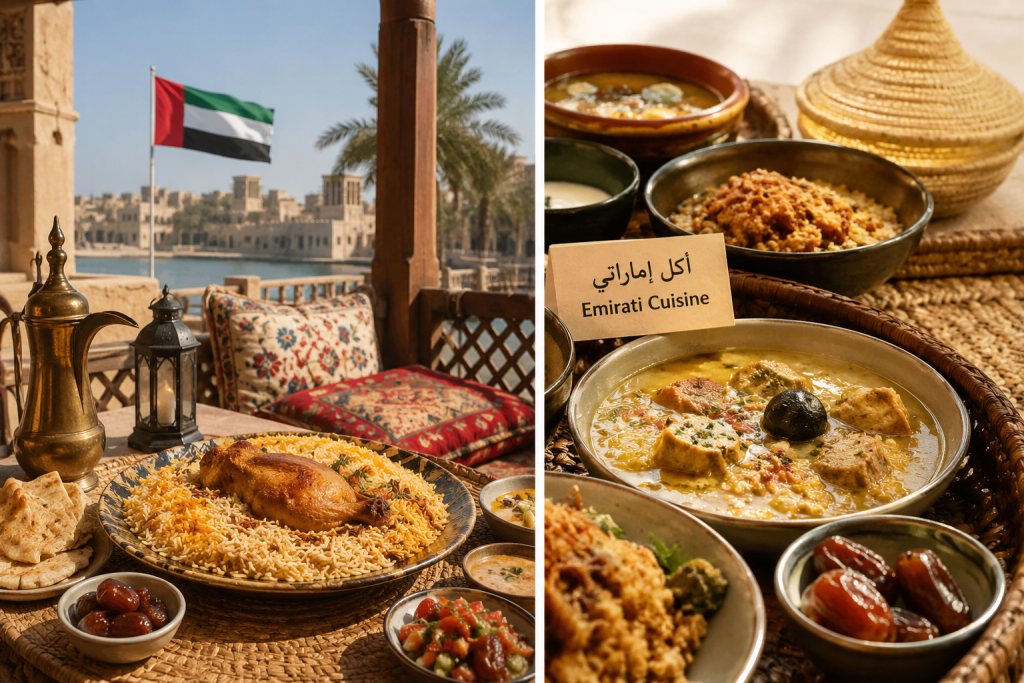
This shared style works particularly well for families, couples and groups because everyone can taste several things together. For first-time visitors, it also makes Emirati food easier to explore. Instead of committing to one dish, diners can move between sweet, savoury and aromatic flavours while discovering what they enjoy most.
A memorable breakfast can therefore become one of the strongest reasons people return to a popular Arab food restaurant in Dubai. The meal feels social, varied and connected to local tradition rather than simply functional.
Balaleet Adds a Distinctive Emirati Flavor
Balaleet is one of the dishes that helps Emirati breakfast stand apart. It combines sweet vermicelli with aromatic flavours and egg, creating a contrast between sweet and savoury that may be new to international visitors. That contrast makes the dish memorable without making it difficult to enjoy.
Trying Balaleet as part of a shared breakfast table is particularly effective because diners can compare it with traditional breads and other dishes. The combination creates a wider picture of Emirati morning food rather than focusing on one isolated recipe.
For visitors searching for a popular Arab food restaurant in Dubai, dishes like Balaleet are valuable because they provide something that feels genuinely connected to the destination.
Chebab and Khameer Show the Importance of Traditional Bread
Traditional breads play an important role in Emirati dining. Chebab has a soft texture and can be paired with sweet or savoury accompaniments, while Khameer provides another familiar local bread with its own character. These dishes may appear simple, but they carry a strong connection to everyday food traditions.
Bread also supports the social side of Arabic dining. It is easy to share, easy to combine with different dishes and naturally encourages everyone at the table to participate. This makes breakfast feel less like a set of separate plates and more like one shared experience.
The simplicity of these dishes is part of their appeal. They do not need elaborate presentation because their value comes from texture, flavour and tradition.
Arabic Hospitality Is Part of the Meal
A restaurant becomes memorable not only because of the food but because of how the guest feels during the experience. Arabic hospitality traditionally places strong emphasis on generosity, conversation and sharing, and these qualities can shape the atmosphere of a meal.

At Arabian Tea House, shared dishes, tea and traditional surroundings support that slower style of dining. Guests are encouraged to spend time around the table rather than rushing through the meal. This matters because the experience begins to feel personal and relaxed, which is often what people are really looking for when they search for a popular Arab food restaurant in Dubai.
Hospitality is not a separate feature from the menu. It is part of how the food is experienced.
Al Fahidi Makes the Dining Experience More Meaningful
Al Fahidi Historical Neighbourhood adds another layer to the restaurant experience. Narrow streets, traditional architecture and heritage buildings create a setting that feels very different from modern Dubai. Visitors can explore the area, stop for food and continue towards Dubai Creek or the souks afterwards.
This makes the restaurant useful as part of a full itinerary rather than only as a place to eat. The meal becomes connected with sightseeing, history and the character of Old Dubai. For tourists especially, that connection can make the experience much more memorable.
If you want to include the restaurant in a heritage day, you can reserve your table and build the rest of the itinerary around the visit.
A Popular Arab Food Restaurant in Dubai for Families
Families often need a restaurant that works across different ages and preferences. Shared dishes, breads, breakfast trays and familiar Arabic flavours can make the experience easier because not everyone has to order separately.
Arabian Tea House also offers options for younger guests, allowing parents to enjoy traditional food while still having suitable choices for children. Families can explore the kids menu before visiting and plan the meal in advance.
This flexibility helps make the restaurant suitable for family outings without losing the cultural element of the experience. Parents can introduce children to Emirati food gradually while still keeping the meal comfortable and relaxed.
A Popular Arab Food Restaurant in Dubai for Couples
Couples may look for a different kind of experience. Instead of a large family meal, they may want somewhere calm enough for conversation and a menu that allows them to share several dishes.

Traditional Arabic dining suits this naturally. Couples can order breads, breakfast dishes, appetisers or mains for the table and taste everything together. The shared style makes the meal feel more interactive and less formal.
In Al Fahidi, the setting also adds atmosphere without needing dramatic decoration. A heritage walk followed by a relaxed meal can create a date that feels more personal than a conventional restaurant visit.
A Popular Arab Food Restaurant in Dubai for Friends
Groups of friends benefit from the same shared approach. Instead of every person choosing one plate, the table can be built gradually with several dishes. This gives everyone more variety and creates a social experience around the food.
Friends from different cultural backgrounds can also use the meal as a way to discover Emirati flavours together. Some dishes may be familiar, while others offer something completely new. The process of comparing favourites and trying different combinations can become part of the fun.
A popular restaurant often succeeds because it works across these different occasions. It can serve families, couples, tourists and residents without making the experience feel generic.
Emirati Main Courses Add More Depth
Breakfast is only one side of the cuisine. Emirati and Gulf-style main courses introduce rice, meat, seafood, vegetables and spices in combinations that feel more substantial. Machboos is one example, combining aromatic rice with Gulf flavours and a main ingredient such as meat or fish.
For visitors who want a deeper introduction to local food, trying a traditional main course can make the meal feel more complete. The flavours are still approachable, but the dish gives guests a stronger connection to regional cooking traditions.
This variety also helps Arabian Tea House work as more than a breakfast destination. Guests can return at different times of day and discover another side of the menu.
Machboos Reflects Gulf Food Culture
Machboos is particularly valuable because it demonstrates how rice and spices can become the centre of a meal. The rice absorbs flavour from the main ingredient and seasoning, creating a dish that is both comforting and aromatic.

For international visitors, this can feel familiar enough to approach while still offering something distinctly regional. Rice-based dishes exist in many cultures, but the spice profile and preparation give Machboos its Gulf identity.
Trying it in a restaurant focused on Emirati food gives the dish more context. It becomes part of understanding the cuisine rather than simply another item on the menu.
Tea Is Part of the Experience
Tea plays an important role in the atmosphere of Arabian Tea House because it encourages guests to stay longer. The meal does not necessarily end when the food is finished. Tea can extend the conversation and create a slower rhythm around the table.
This is especially effective for visitors who want a break from the fast pace of Dubai. Sitting with tea in a heritage setting can become one of the simplest but most memorable parts of the day.
That slower pace is one of the reasons people often return to a popular Arab food restaurant in Dubai. The experience is not only about what is served but how the meal makes people feel.
Arabic Coffee Adds Another Traditional Element
Arabic coffee offers another way to connect with regional hospitality. Served in small cups, it encourages guests to drink slowly and continue the conversation. Dates or sweets can be added to create a traditional ending to the meal.
For visitors, this can provide a cultural detail that feels both simple and meaningful. There is no need for a formal explanation; the experience itself communicates something about the importance of hospitality in the region.
Small details like this help distinguish an authentic restaurant from one that focuses only on popular dishes.
Traditional Sweets Complete the Meal
Dessert provides another opportunity to explore local flavours. Traditional sweets often combine dates, syrup, flour, cardamom or saff